
Imagine a home that anticipates your needs, protects your family, and manages energy use without you lifting a finger. This is not a scene from a science-fiction movie; it is the reality made possible by modern smart technology. While the concept might seem complex, the core idea is simple: using connected devices to make your life easier, safer, and more efficient. In this comprehensive guide, we move beyond the novelty to explore the most significant benefits of home automation, revealing how these interconnected systems create tangible value in your daily life.
This article is designed to provide a clear and practical overview of what a smart home can truly offer. We will break down eight key advantages, from substantial energy savings and enhanced security to increased convenience and accessibility for all family members. You will learn about:
- Practical implementation: How to integrate these systems into your home.
- Real-world scenarios: Specific examples of automation in action.
- Actionable insights: Tips to maximize the value of your smart devices.
Whether you are a tech enthusiast eager to innovate or a homeowner curious about upgrading your living space, understanding these advantages is the first step toward building a truly intelligent and responsive home. Let’s explore how to unlock a smarter way of living.
1. Enhanced Energy Efficiency and Cost Savings
One of the most compelling benefits of home automation is its direct impact on your utility bills and environmental footprint. By giving you precise, intelligent control over your home's biggest energy consumers like heating, cooling, and lighting, automation systems drastically cut down on waste. Instead of running your HVAC system at full blast all day or leaving lights on in empty rooms, an automated home adapts to your actual needs in real time.
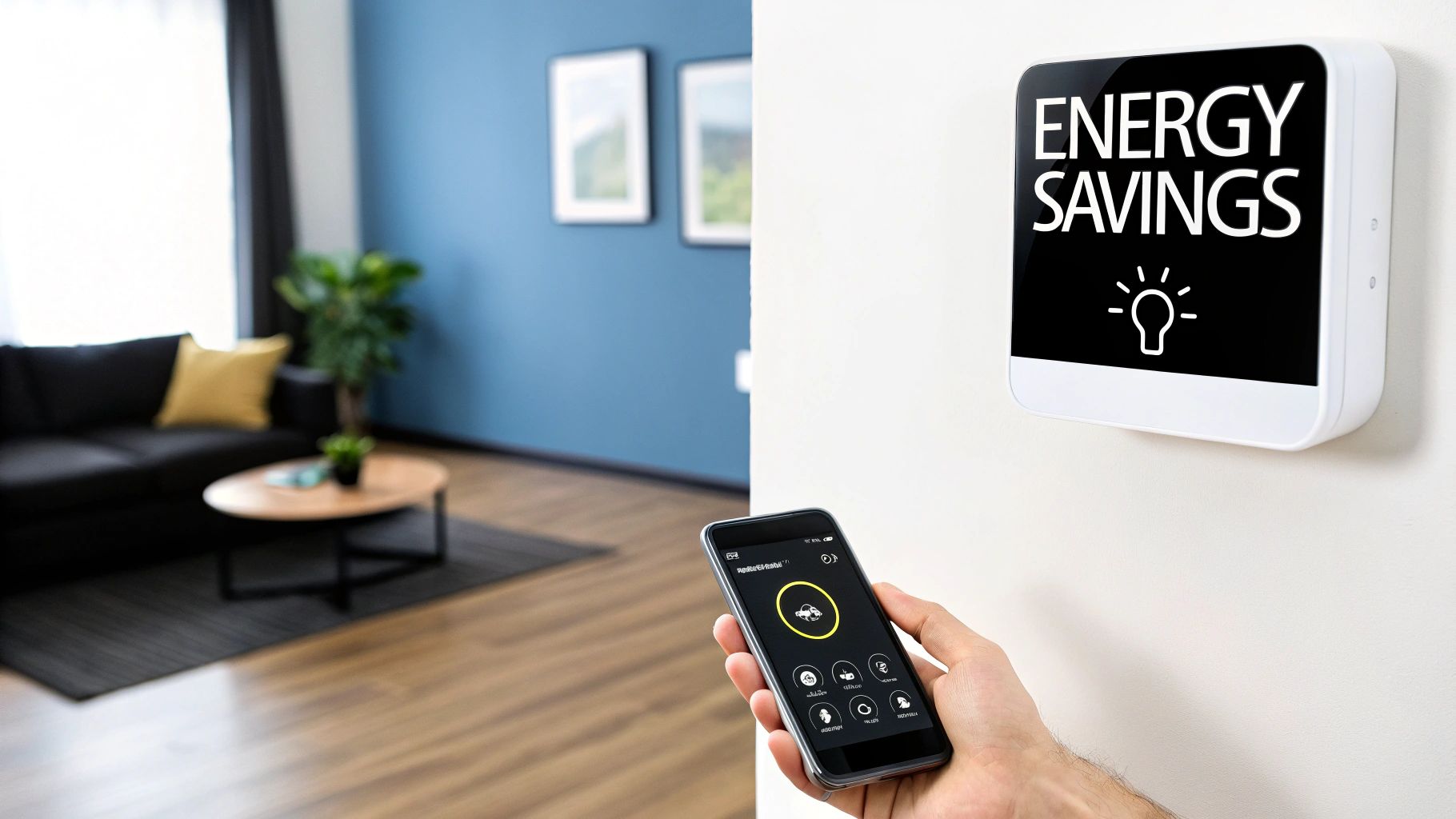
This intelligent management translates into significant financial returns. For instance, integrating smart thermostat installations can dynamically adjust your home's climate control, leading to significant energy savings. These devices learn your daily schedule and automatically lower the temperature when you leave for work and bring it back to a comfortable level just before you return, eliminating hours of unnecessary energy use each day.
How It Works in Practice
Smart home ecosystems use sensors, schedules, and learning algorithms to optimize energy consumption without sacrificing comfort.
- Smart Thermostats: Devices like the Google Nest or Ecobee monitor occupancy and weather data to create efficient HVAC schedules. They can detect when no one is home and enter an "away" mode to conserve energy.
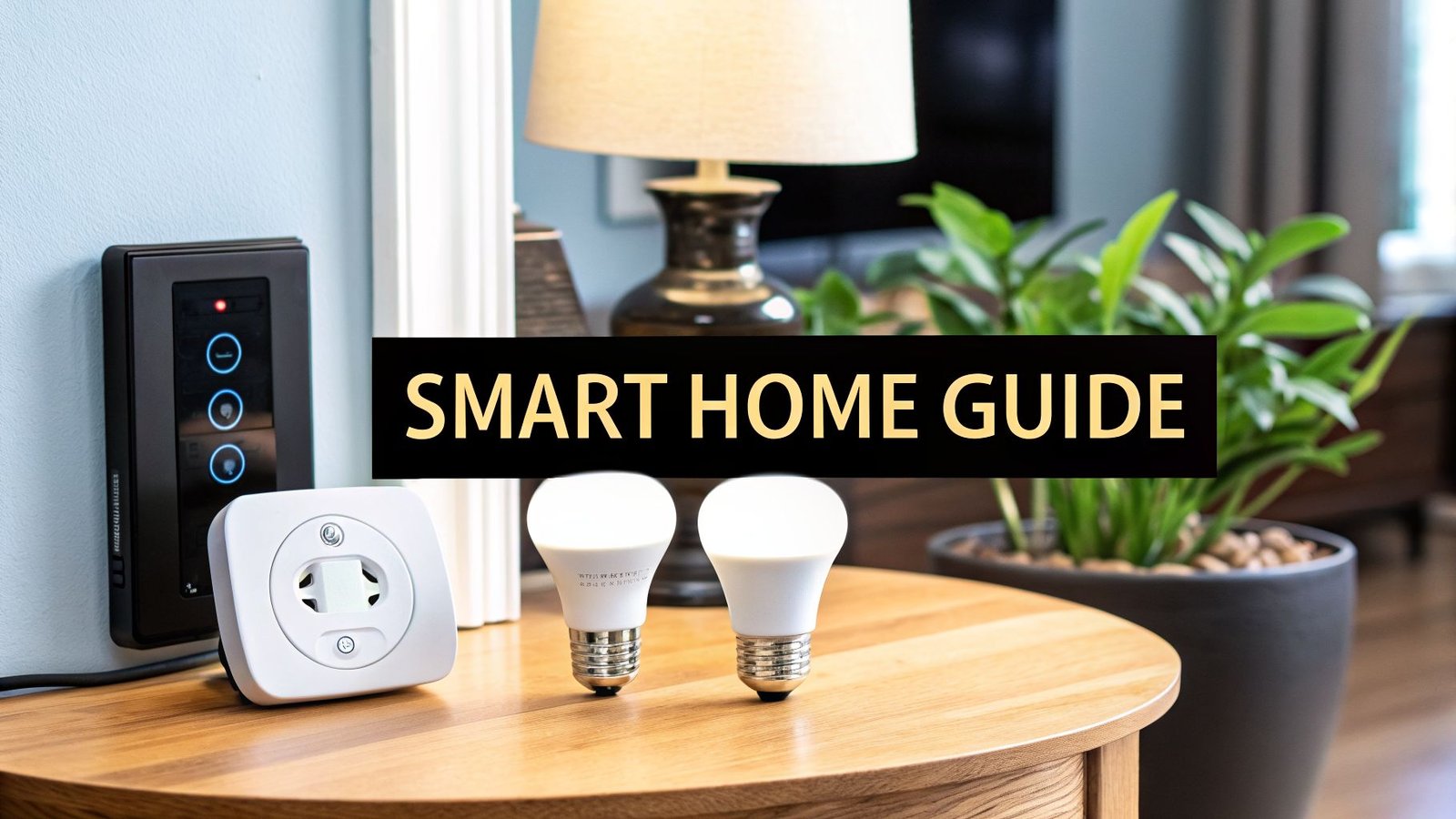
- Automated Lighting: Philips Hue and similar smart lighting systems can be programmed to dim based on the time of day or turn off automatically when a room is vacant, reducing electricity consumption.
- Smart Plugs and Power Strips: These devices cut off power to electronics that draw "phantom" or "vampire" loads when not in use, such as TVs and game consoles in standby mode.
By implementing these technologies, homeowners can achieve a smarter, more sustainable living environment. If you're looking for more ways to reduce your home's carbon footprint, you can learn more about creating an energy-efficient smart home.
2. Improved Home Security and Safety
Another key benefit of home automation is the significant enhancement it brings to your home's security and safety. By integrating smart locks, surveillance cameras, sensors, and alarms into a single, cohesive system, you gain unparalleled control and awareness over your property. This allows you to monitor your home from anywhere in the world, receive instant alerts about potential threats, and automate responses to deter intruders, providing constant peace of mind.
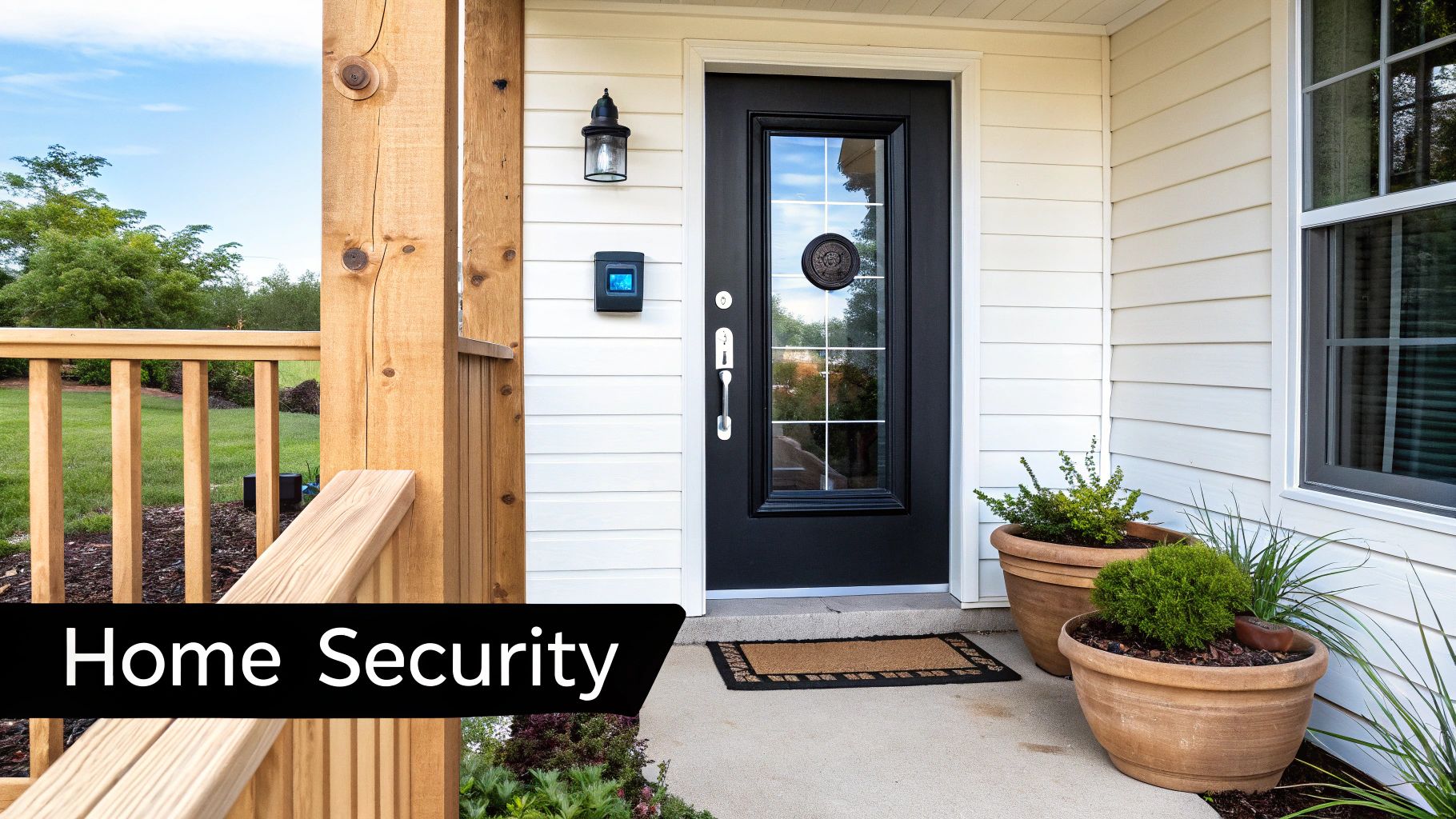
This proactive approach to security is far more effective than traditional methods. Systems from companies like Ring and Arlo not only record events but also notify you in real-time about motion at your doorstep or unusual activity in your yard. With smart locks, you can grant temporary access to guests or service providers without sharing a physical key and verify that your doors are locked after you've left, all from your smartphone.
How It Works in Practice
Smart security systems use a network of connected devices to create multiple layers of protection, all accessible through a central app.
- Smart Doorbells and Cameras: Devices from Ring or Arlo provide live video feeds, motion-activated recording, and two-way audio, allowing you to see and speak to anyone on your property.
- Automated Locks: An August Smart Lock can automatically secure your door when you leave and unlock it as you approach. You can also create temporary digital keys for visitors.
- Integrated Sensor Networks: Door/window sensors, motion detectors, and glass break sensors from brands like SimpliSafe trigger alarms and send immediate notifications to your phone if a breach is detected.
- Simulated Occupancy: You can program smart lights and speakers to turn on and off at random intervals, making it appear as though someone is home even when you're away on vacation.
By combining these elements, homeowners create a formidable deterrent to potential intruders. To explore your options further, you can find a comprehensive guide to smart home security systems.
3. Increased Convenience and Time-Saving Automation
One of the most immediate and appreciated benefits of home automation is the sheer convenience it introduces into daily life. By automating repetitive tasks and centralizing control of your home's various systems, you reclaim valuable time and mental energy. Instead of manually adjusting lights, thermostats, and locks throughout the day, a smart home handles these routines for you, creating a seamless and effortless living environment.
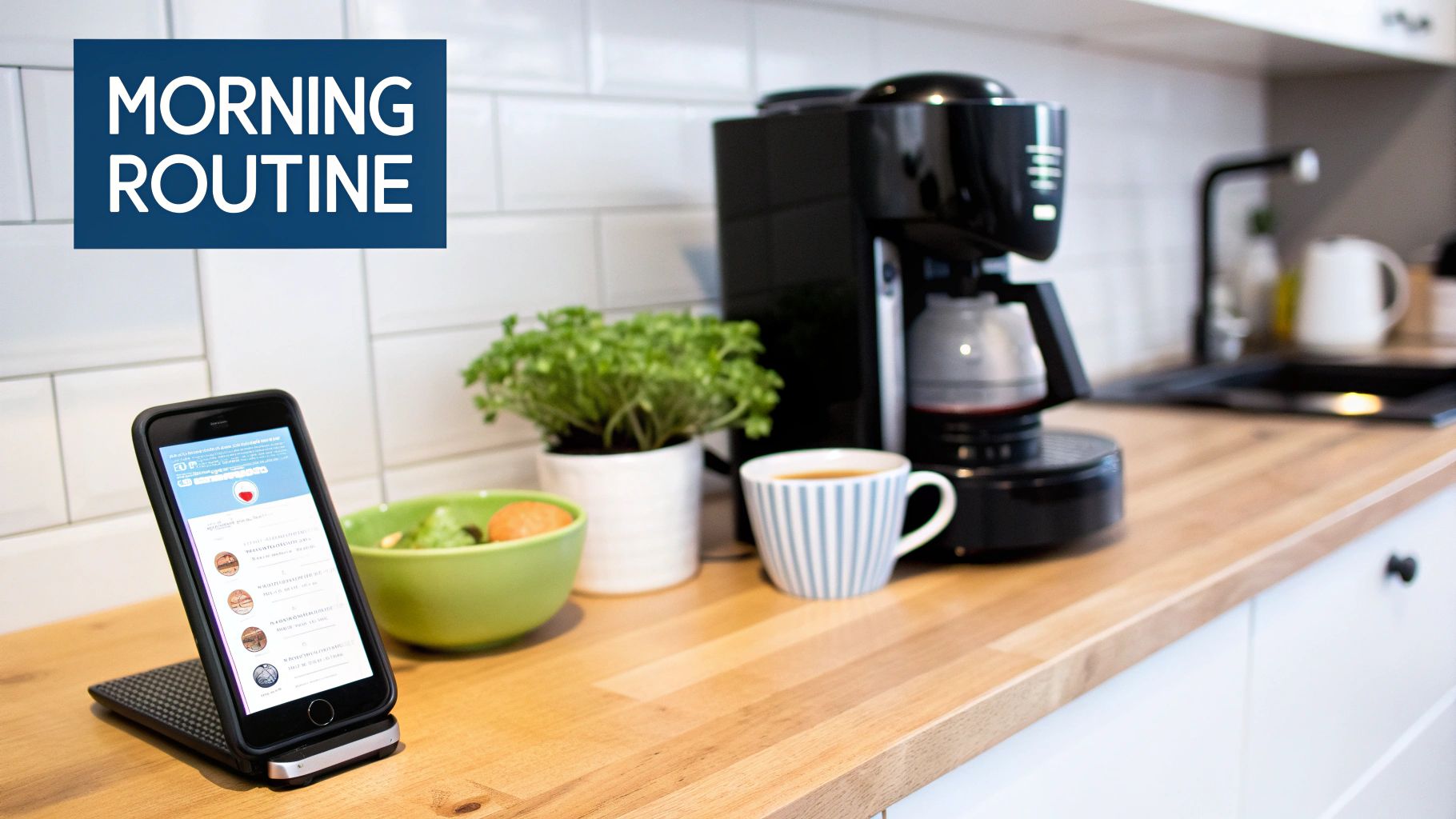
This powerful convenience is powered by customized "scenes" and "routines" that trigger multiple actions with a single command or on a set schedule. For example, a "Good Morning" routine initiated by your alarm can simultaneously brighten your lights, start the coffee maker, and play your favorite news podcast. This level of orchestration simplifies complex sequences of actions, turning your home into a responsive partner that anticipates your needs.
How It Works in Practice
Smart home platforms like Amazon Alexa, Google Assistant, and Apple's HomeKit allow users to link different devices and create powerful, time-saving automations.
- Customized Routines: You can design a "Leaving Home" routine that, with a single voice command like "Alexa, I'm leaving," locks the doors, turns off all the lights, and sets the thermostat to an energy-saving mode.
- Geofencing Triggers: Your smartphone's location can act as a trigger. As you approach home, the system can automatically open the garage door, unlock the front door, and turn on the entryway lights for a warm welcome.
- Voice-Activated Scenes: A simple command such as "Hey Google, it's movie time" can dim the smart lights, lower the automated blinds, and turn on your TV and sound system, creating the perfect viewing atmosphere instantly.
By leveraging these capabilities, you can build a home that works around your schedule, not the other way around. To learn more about setting up these systems, exploring how smart home integrations work is a great next step.
4. Remote Monitoring and Control from Anywhere
One of the most powerful benefits of home automation is the freedom it grants you to manage your home's environment from anywhere in the world. Using just a smartphone app or web interface, you gain a direct line to your living space, allowing for real-time adjustments and monitoring. This remote access eliminates the anxiety of forgetting to lock the door or turn off the oven, offering unparalleled peace of mind and flexibility whether you're at the office or on vacation.
This capability transforms your home from a static structure into a responsive, accessible environment. For instance, parents at work can check in on their kids or babysitters via security cameras, while homeowners can remotely grant access to delivery services or contractors without needing to be physically present. This level of control ensures your home operates according to your schedule, not the other way around.
How It Works in Practice
Modern smart home platforms like Apple HomeKit, Google Home, and Amazon Alexa create a centralized hub that connects to all your smart devices. This hub then communicates with your smartphone via the internet, giving you a comprehensive dashboard for remote management.
- Real-Time Security Checks: Forgot if you locked the front door? A quick tap on your phone can confirm its status and lock it instantly. You can also view live feeds from security cameras to check on pets or investigate motion alerts.
- Climate and Appliance Control: If you're heading home early from a trip, you can adjust your smart thermostat to ensure the house is comfortable upon your arrival. You can also turn off smart lights or appliances you may have accidentally left on.
- Custom Notifications: Set up alerts for specific events, such as when a door is opened, a water leak is detected, or the garage door is left ajar. These immediate notifications allow you to respond quickly to potential issues, preventing minor problems from becoming major ones.
5. Accessibility and Support for Elderly or Disabled Users
Beyond convenience, one of the most profound benefits of home automation is its ability to empower elderly individuals and those with disabilities, fostering greater independence and safety. Smart technology transforms a house into a responsive environment that can be controlled hands-free, assist with daily routines, and provide a critical link to caregivers or emergency services. This creates a supportive living space that adapts to the user's needs, enhancing their quality of life significantly.
This technological assistance offers invaluable peace of mind for both users and their families. Systems like Amazon's Alexa Care Hub allow loved ones to check in remotely and receive alerts if there's a lack of activity, all while respecting the user's privacy. Automating key functions removes physical barriers and reduces the cognitive load of managing a household, making daily life safer and more manageable.
How It Works in Practice
Accessibility-focused home automation leverages voice commands, sensors, and scheduled routines to handle tasks that might otherwise be difficult or hazardous.
- Voice-Activated Controls: Smart assistants like Amazon Alexa or Google Nest enable users to manage lighting, thermostats, door locks, and entertainment systems using only their voice. This is crucial for individuals with mobility impairments.
- Automated Safety Features: Motion-activated lighting on pathways can prevent falls at night, while smart smoke detectors can alert both the resident and a caregiver's phone. Fall detection sensors can even be configured to automatically call for emergency assistance.
- Daily Routine Assistance: Smart medication dispensers can provide audible reminders and notify a family member if a dose is missed. Routines can be set to automatically open blinds in the morning or lock doors at night, simplifying daily schedules.
6. Customizable Entertainment and Ambiance Control
Beyond practicality and security, one of the most enjoyable benefits of home automation is the ability to craft personalized entertainment experiences and set the perfect mood for any occasion. Smart technology integrates your lighting, audio, video, and even climate control, allowing you to create dynamic, immersive environments with a single command. Instead of manually adjusting multiple devices, you can instantly transform your living space to match your activity, whether it's movie night, a dinner party, or quiet relaxation time.

This level of control creates an effortless and sophisticated ambiance that enhances daily life. For example, you can design a "Movie Night" scene that dims the lights, closes the smart blinds, and turns on your TV and sound system simultaneously. Systems like Philips Hue can even sync lighting colors to what’s happening on your screen for a truly immersive viewing experience. This seamless integration turns your home into a responsive environment tailored to your entertainment preferences.
How It Works in Practice
Creating customized scenes involves grouping actions from different smart devices and triggering them with a single command, schedule, or sensor input.
- Immersive Media: Smart lighting systems from brands like Philips Hue and LIFX can synchronize with movies, music, or games. The lights change color and intensity to match the on-screen action or audio beat, creating a dynamic and engaging atmosphere.
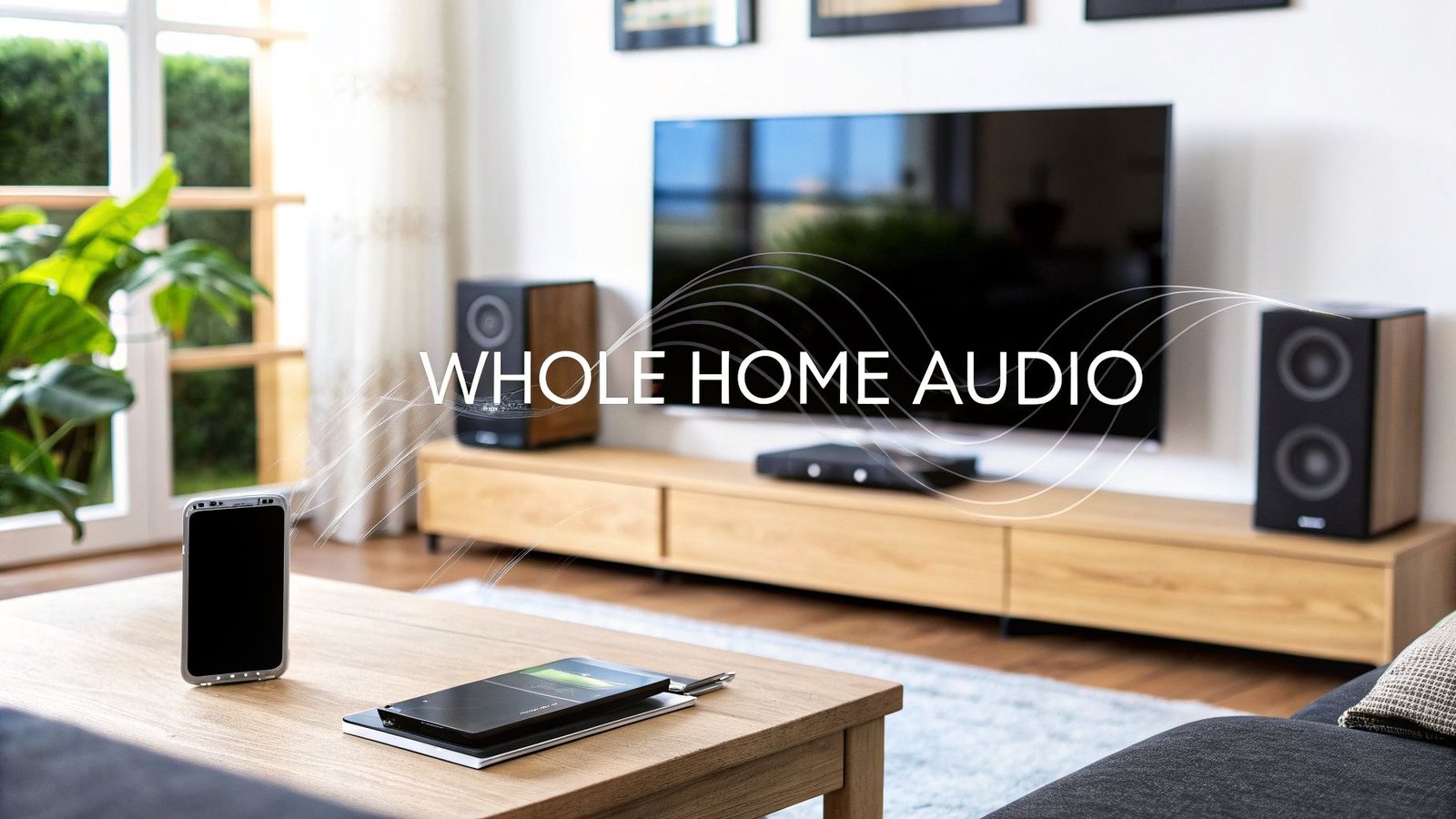
- Multi-Room Audio: With systems like Sonos or Bose, you can group speakers to play the same music throughout the house for a party or stream different audio in each room to suit individual tastes.
- Pre-Programmed Scenes: Using a smart home hub like Samsung SmartThings, you can create custom scenes. A "Dinner Party" scene might set lights to a warm, soft glow, play a curated jazz playlist at a low volume, and adjust the thermostat to a comfortable temperature for your guests.
7. Predictive Maintenance and System Health Monitoring
Beyond immediate convenience, one of the most powerful benefits of home automation is its ability to act as a vigilant health monitor for your home's critical systems. This proactive approach uses IoT sensors to track the performance of appliances and infrastructure, detecting subtle anomalies long before they escalate into catastrophic failures. Instead of reacting to a burst pipe or a broken HVAC unit, you receive alerts that enable scheduled, preventative maintenance.
This intelligent oversight saves homeowners from expensive emergency repairs and the stress that comes with them. Systems can identify a slow, pinhole leak before it causes thousands of dollars in water damage or alert you that your furnace filter is clogged, preventing inefficiency and premature equipment failure. This shifts home maintenance from a reactive, often costly, scramble to a proactive, managed process.
How It Works in Practice
Advanced automation platforms analyze data from sensors placed on or integrated into key home systems, predicting issues and extending the lifespan of your valuable equipment.
- Smart HVAC Monitoring: Modern systems from manufacturers like Carrier can self-diagnose and send an alert when an air filter needs changing or if a component is showing signs of wear, ensuring optimal performance and preventing a mid-winter breakdown.
- Water Leak Detection: Devices like Flo by Moen continuously monitor water flow and pressure. They can automatically shut off the main water supply upon detecting a leak and send an instant notification to your phone, averting potential flooding. You can explore the best smart water leak detectors to find a solution that fits your home.
- Appliance Health Checks: Smart appliances, such as those integrated with Samsung SmartThings, can monitor their own components. For example, a smart refrigerator might predict a compressor failure, giving you time to schedule a repair before you lose a fridge full of groceries.
By integrating these monitoring tools, you protect your investment, avoid unexpected expenses, and ensure your home's core systems run smoothly and efficiently.
8. Property Value Appreciation and Market Competitiveness
Integrating home automation is not just an upgrade for your lifestyle; it's a strategic investment in your property's future. Homes equipped with modern smart systems often command higher resale values and stand out in a crowded real estate market. These technological enhancements are increasingly seen by buyers as essential amenities, much like an updated kitchen or a renovated bathroom, making a property more attractive and competitive.
The data supports this trend, showing that smart homes can sell faster and at a premium. For example, a Zillow analysis suggested that homes with features like smart thermostats or electric vehicle chargers can sell for more than their expected value. This indicates that buyers are willing to pay more for a home that offers built-in convenience, security, and energy efficiency from day one, reducing their need for post-purchase upgrades.
How It Works in Practice
Effectively leveraging home automation as a selling point involves highlighting its tangible benefits and ensuring the technology is presented as a turnkey solution. A well-marketed smart home can significantly boost buyer interest and perceived value.
- Highlight Key Systems: Emphasize high-impact features like smart thermostats (e.g., Google Nest), integrated security systems, and automated lighting in your property listing. Mentioning specific, well-known brands adds credibility.
- Showcase Functionality: During open houses or private showings, demonstrate how the systems work. A live demo of automated blinds, voice-activated lighting, or a smart security camera can leave a powerful, lasting impression on potential buyers.
- Document and Organize: Provide clear documentation, manuals, and warranties for all installed smart devices. This professional approach reassures buyers that the systems are well-maintained and easy to manage, solidifying one of the key benefits of home automation for a new owner.
8-Point Home Automation Benefits Comparison
| Item | 🔄 Implementation Complexity | ⚡ Resource Requirements | ⭐ Key Advantages | 📊 Expected Outcomes | 💡 Ideal Use Cases |
|---|---|---|---|---|---|
| Enhanced Energy Efficiency and Cost Savings | Moderate — HVAC compatibility & occasional pro installation | Smart thermostats, sensors, smart bulbs; moderate upfront cost; rebates possible | Lower energy use and bills; reduced carbon footprint | 10–23% savings on heating/cooling; ROI ~3–5 years | Homes with central HVAC; owners targeting utility cost reduction |
| Improved Home Security and Safety | Moderate–High — multiple sensors/cameras and integrations | Cameras, smart locks, sensors, reliable internet; monitoring subscriptions | Deterrence, real‑time alerts, remote access | Fewer burglaries; faster emergency response; potential insurance discounts | Families, high‑risk neighborhoods, remote homeowners |
| Increased Convenience and Time‑Saving Automation | Low–Moderate — routine creation and device pairing | Voice assistants, smart plugs, apps; low to moderate cost | Saves time; hands‑free control; improves accessibility | Hours saved weekly; streamlined daily routines | Busy households; accessibility needs; tech enthusiasts |
| Remote Monitoring and Control from Anywhere | Low–Moderate — cloud accounts and security setup | Cloud apps, stable internet, cameras; possible subscription fees | Remote control and monitoring; quick response to events | Real‑time access to devices/cameras; improved peace of mind | Travelers, caregivers, second‑home owners |
| Accessibility and Support for Elderly or Disabled Users | Moderate — specialized devices and user training | Voice control, sensors, emergency systems; possible professional setup | Greater independence; fall prevention; caregiver oversight | Improved safety; delayed need for institutional care; faster help | Elderly residents, people with disabilities, caregivers |
| Customizable Entertainment and Ambiance Control | Moderate–High — AV integration and scene programming | Smart lights, multi‑room audio, smart TV; strong Wi‑Fi; higher cost for premium gear | Immersive mood control; one‑command scenes; enhanced gatherings | Better media/party experiences; scalable setup | Home theaters, entertainers, audiophiles |
| Predictive Maintenance and System Health Monitoring | High — sensors, analytics, and integrations required | IoT sensors, analytics/subscription services, pro integration | Prevents failures; extends equipment life; planned upkeep | Fewer emergency repairs; early leak/fault detection; cost savings long‑term | Homes with aging systems, high‑value equipment, proactive owners |
| Property Value Appreciation and Market Competitiveness | Low–Moderate — varies by features; keep systems current | Mixed — depends on installed automation; upfront investment | Higher resale value; faster sales; market differentiation | ~3–5% price premium; reduced time on market | Sellers, builders, buyers in tech‑forward markets |
Making Your Home Work for You
The journey from a traditional house to a smart, automated home is more than just a technological upgrade; it’s a fundamental shift in how you experience your living space. We've explored the tangible benefits of home automation, from the practical cost savings of an intelligent thermostat to the profound peace of mind offered by a comprehensive smart security system. Each element works in concert to create an environment that is safer, more efficient, and perfectly aligned with the rhythms of your life.
By automating routine tasks like adjusting lights, managing your home's climate, and monitoring for potential issues, you reclaim valuable time and mental energy. No longer are you just living in your home; your home is actively working for you, anticipating your needs and responding with precision. This synergy transforms your residence into a dynamic partner in your daily life.
Key Takeaways and Your Next Steps
The true power of home automation lies in its customizability. You don't have to overhaul your entire home overnight. The most successful smart home integrations start with a clear understanding of your priorities.
- For the Security-Minded: Begin with smart locks, doorbell cameras, and motion-activated floodlights. These initial steps create a robust, visible deterrent and provide immediate peace of mind.
- For the Eco-Conscious: Focus on energy management. A smart thermostat, automated blinds, and smart plugs for energy-hungry appliances can deliver significant savings and reduce your carbon footprint within months.
- For Those Seeking Accessibility: Smart speakers, automated lighting, and remote-controlled appliances can dramatically improve independence for elderly family members or individuals with mobility challenges. For a broader perspective on how technology integrates into daily life and family support, exploring resources like the dontforgetdad blog can offer diverse insights.
The most important takeaway is that the benefits of home automation are not a one-size-fits-all package. They are a collection of solutions you can tailor to solve your unique challenges and enhance your specific lifestyle. Start by identifying a single pain point, whether it’s high energy bills, security concerns, or the simple desire for more convenience, and choose one or two devices to address it. From there, you can build a cohesive ecosystem at your own pace, ensuring each addition provides real, measurable value.
Ultimately, investing in home automation is an investment in a higher quality of life. It’s about creating a home that is not just a structure, but a responsive, supportive, and intelligent environment that makes every day simpler, safer, and more enjoyable. Your future-ready home is waiting, one smart device at a time.
Ready to take the next step and build a smarter home? The Automated Home Guide provides in-depth product reviews, step-by-step setup guides, and expert advice to help you navigate the world of home automation. Visit the Automated Home Guide to find the perfect solutions for your home and lifestyle.


![Honda#gen[OretyrysEP,225,556] Avatar](https://secure.gravatar.com/avatar/97cada9f67bd8b5fe0fad786b21b95a0cd4cbef4f192f3b80603a4c618e8e025?s=40&d=mm&r=g)




Leave a Reply