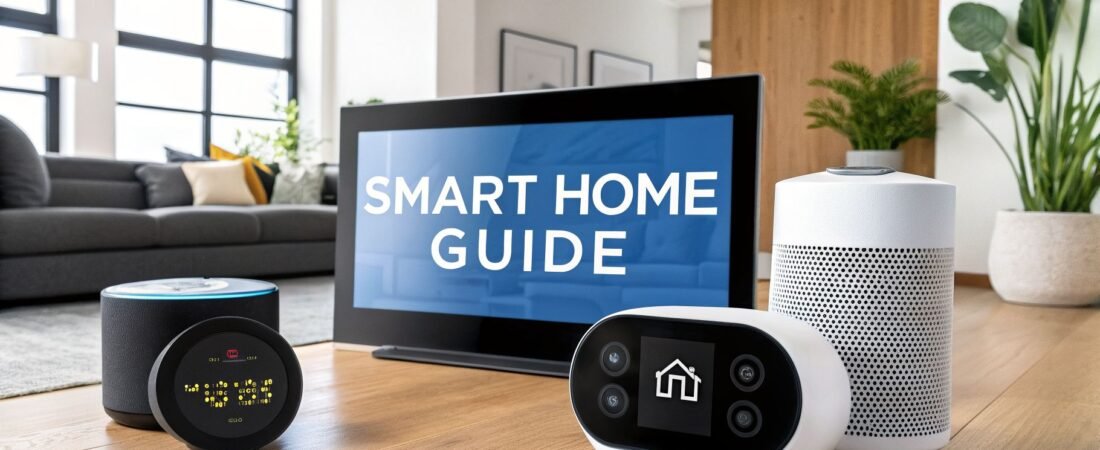
Ever heard the term "smarthouse" and pictured a futuristic home straight out of a sci-fi movie? The reality is much more practical and accessible.
At its core, a smarthouse is a home where key systems—like lighting, temperature, and security—are connected to the internet, allowing you to control and automate them. This connection turns your house from a passive structure into an active, responsive environment you can manage with your phone or a simple voice command.
What a Smarthouse Really Means for You
Think of it this way: your home is an orchestra. The lights, thermostat, door locks, and coffee maker are all individual instruments. In a standard house, you’re the one running around, cueing each instrument manually. In a smarthouse, a central “conductor”—like a smart hub or an app—gets them all to play together in perfect harmony.
This is about more than just cool gadgets. It’s about making your home work for you, creating a living space that genuinely makes life easier, safer, and more efficient. To really get it, you have to understand what a smart home really means on a day-to-day level.
To help break it down, let's look at the foundational principles that make a house truly "smart."
The Three Pillars of a Smarthouse
A genuine smarthouse isn't just a collection of devices; it's an ecosystem built on three key ideas. Each pillar builds on the last, taking you from simple commands to a home that practically runs itself.
Here’s a quick summary of how these concepts come together.
| Pillar | Description | Real-World Example |
|---|---|---|
| Control | The ability to directly command a device from anywhere. It's the starting point for all smart functionality. | Tapping an app on your phone to turn on the porch light while you're pulling into the driveway after dark. |
| Automation | Setting up rules or "scenes" where devices react to triggers automatically, without your input. | A "Movie Night" scene that dims the lights, lowers the blinds, and turns on the TV with a single voice command. |
| Insight | The system learns your patterns and begins to make intelligent adjustments on its own to improve efficiency. | Your smart thermostat notices you consistently lower the heat around 10 PM and starts doing it for you, saving energy. |
These three pillars are what transform a collection of gadgets into a cohesive, intelligent system.
A smarthouse goes beyond simple remote control. It’s about creating a home that anticipates your needs, simplifies your routines, and provides valuable information to help you live better and more efficiently.
When you walk into a home where the lights brighten as you enter, the temperature is always perfect, and you get an instant alert if a door is left ajar, you're experiencing a true smarthouse. It's no surprise that this level of convenience and security is driving massive growth, with the smart home market projected to reach an incredible $848.47 billion by 2034. It’s not just a trend; it's the new standard for modern living.
How a Smarthouse Actually Works
It might seem like pure magic, but a smarthouse runs on a surprisingly simple principle: a constant conversation between all its parts. The easiest way to wrap your head around it is to think of it like the human body. Each component has a specific job, but they all work together to create a system that can react and even think.
This whole system rests on four key elements that are always talking. The brain is your central hub or smartphone app, which processes information and calls the shots. The nervous system is the wireless network (like Wi-Fi, Zigbee, or Z-Wave) that zips signals all over your home. The senses are the various sensors picking up on changes, and the muscles are the smart devices that actually do the work.
The Brain: The Central Hub and App
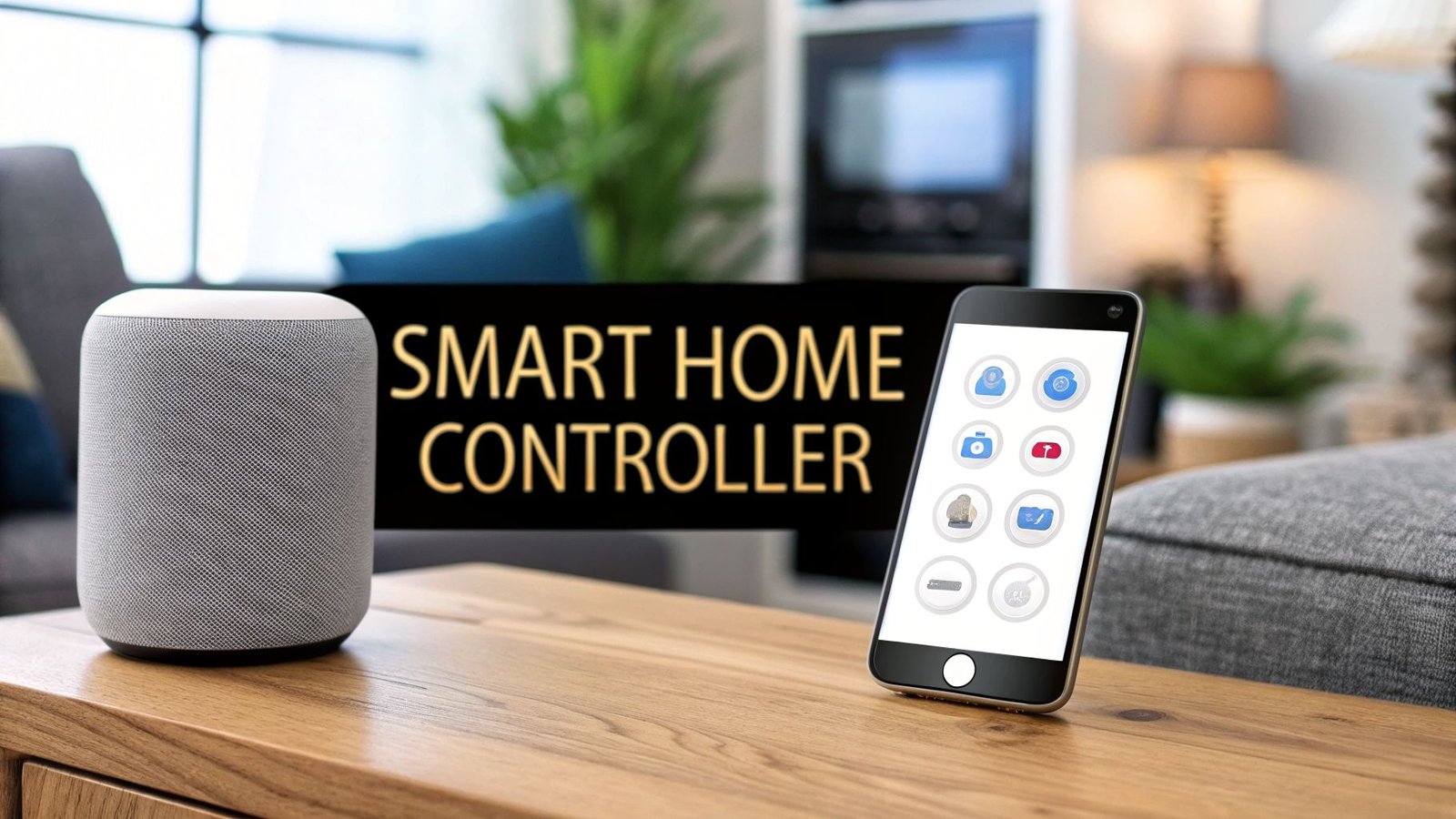
At the core of every smarthouse is a central controller, the brain of the operation. This can be a dedicated physical box, often called a smart hub, or it can be the software ecosystem run by an app from a company like Google, Amazon, or Apple.
This hub is the command center. It takes in signals from all your sensors and translates them into instructions for your devices. Think of it as the traffic controller that makes sure a motion alert from your doorbell camera can instantly tell your porch light to switch on. Without this brain, your smart devices would just be a bunch of disconnected gadgets, unable to work together.
The Nervous System: Connectivity Protocols
For all these pieces to chat, they need a reliable network—the home's nervous system. While you're probably most familiar with Wi-Fi, many smart devices use other wireless "languages" to communicate more efficiently, especially the smaller, battery-powered ones.
- Zigbee: This is a low-power network perfect for devices that run on batteries, like door sensors and smart locks. It creates a "mesh" network where devices can pass signals along to each other, which strengthens and extends the network's reach.
- Z-Wave: Much like Zigbee, Z-Wave is another popular low-power mesh network. It operates on a slightly different frequency, which can be a good thing as it helps avoid getting tangled up with your home's busy Wi-Fi signal.
- Matter: This is the new kid on the block, a universal standard designed to finally get devices from different brands to play nicely together. It’s a huge step toward solving one of the biggest headaches in home automation: compatibility.
Senses and Muscles: Sensors and Devices
The real action happens when the "senses" detect something and the "muscles" spring into action. The sensors are the eyes and ears of your home, and the devices are the hands and feet that carry out the tasks.
Here’s a classic example: a motion sensor (the sense) detects you walking into the kitchen late at night. It fires a signal through the network to the smart hub (the brain). The hub, following a rule you’ve already set, immediately sends a command to the smart bulbs (the muscles) to turn on to 20% brightness. This whole chain reaction happens in less than a second. You can dive deeper into these interactions by exploring our detailed guide on how a smart home works.
The diagram below breaks down this fundamental flow, from simple user commands to true, intelligent automation.

As you can see, the goal is to move beyond just telling your house what to do and create a home that can act on its own based on what's happening.
This constant communication is what turns a house full of gadgets into a genuinely smart, responsive environment. It's not just about turning things on with your phone; it's about building a home that understands and anticipates what you need, all thanks to a perfectly coordinated system of digital senses and muscles.
The Real Payoff of Living in a Smarthouse
Understanding the nuts and bolts of a smarthouse is one thing. But seeing how that technology actually improves your life? That's where it all clicks. This isn't just about cool gadgets or talking to your lights. A truly connected home brings real, tangible benefits to your daily routine, making it safer, more efficient, and a whole lot easier.
These advantages generally fall into three big buckets, each solving a common problem homeowners face. We're moving past the "what it is" and into the "what it does for you," because that's where the real value of a smarthouse truly becomes clear.
Creating a Proactive Security Shield
Think about traditional home security. It's almost entirely reactive—an alarm screeches after someone has already broken in. A smarthouse flips that script completely, building a proactive security shield that's designed to stop threats before they ever become a problem. It does this by weaving together multiple devices that act as a single, intelligent system.
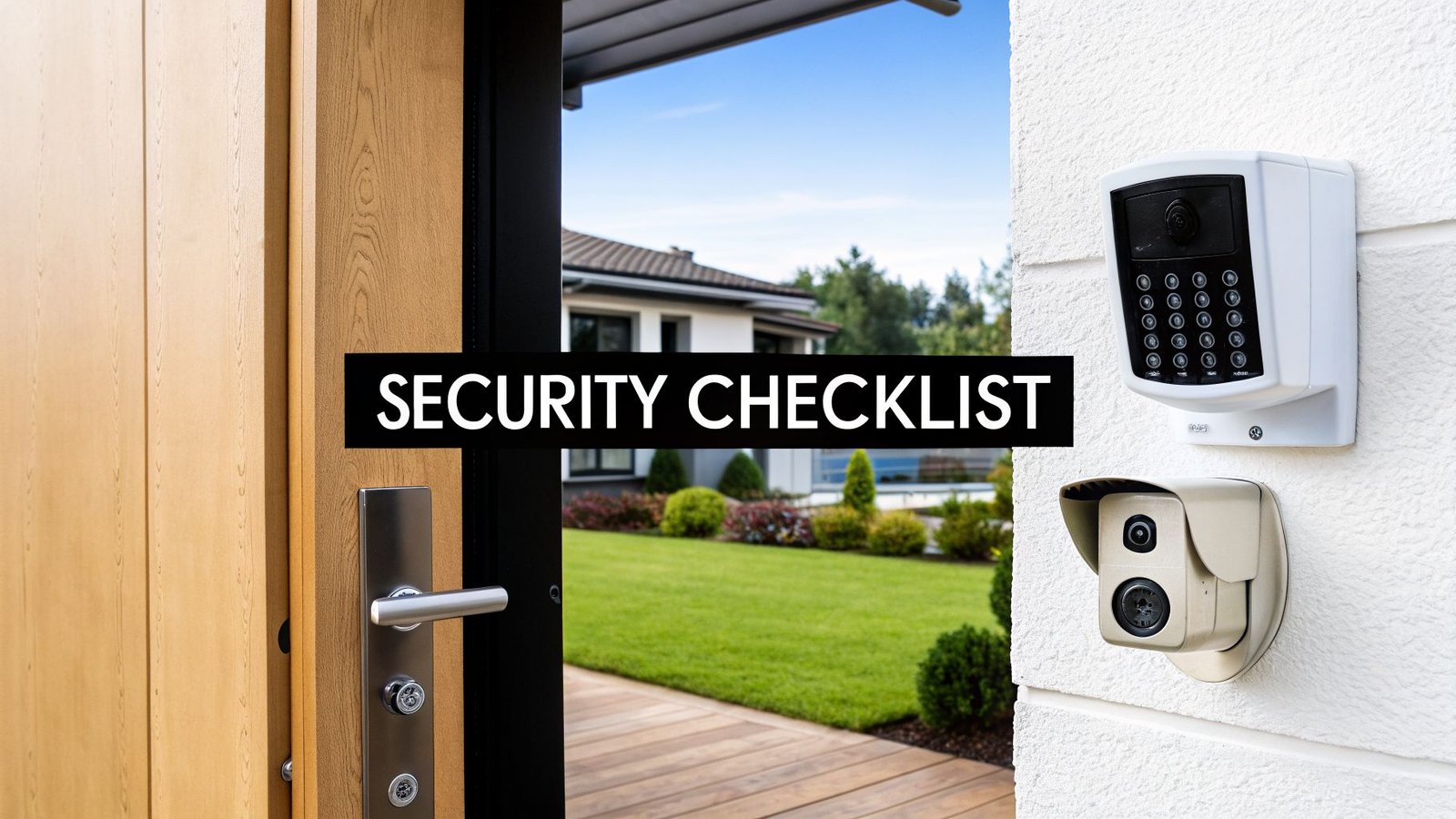
Imagine your video doorbell isn't just a camera; it uses AI to tell the difference between a package delivery and someone lurking suspiciously. If it spots a potential threat, it doesn't just send you an alert. It can automatically blast the area with your smart floodlights and start recording in crystal-clear HD. At the same time, your smart locks can double-check that they’re secured, and you get a notification on your phone with a live video feed, whether you're at the office or on vacation.
A smarthouse security system doesn't just record what happened; it actively responds as it's happening. By linking cameras, locks, sensors, and lighting, you create an automated deterrent that brings genuine peace of mind.
This is a world away from a simple alarm system. It's a dynamic, responsive network that keeps you in the loop and in control, turning your home into a fortress you can monitor from the palm of your hand.
Unlocking Smarter Energy Savings
One of the most immediate and practical perks of a smarthouse is its ability to slash your energy consumption without you lifting a finger. Smart devices learn your family's rhythms and make tiny, automatic adjustments to cut out waste. The result? Lower utility bills, month after month.
The undisputed champion here is the smart thermostat. It quickly learns your schedule—when you leave for work, when you get home, when you go to bed—and tweaks the heating and cooling so you’re never conditioning an empty house. For those keeping an eye on their budget, the impact is significant; a good smart thermostat can save 10-12% on heating costs annually. You can get a broader view of this trend from insights on the growing smart home hardware market.
But the savings don't stop at the thermostat. Other smart devices chip in, too:
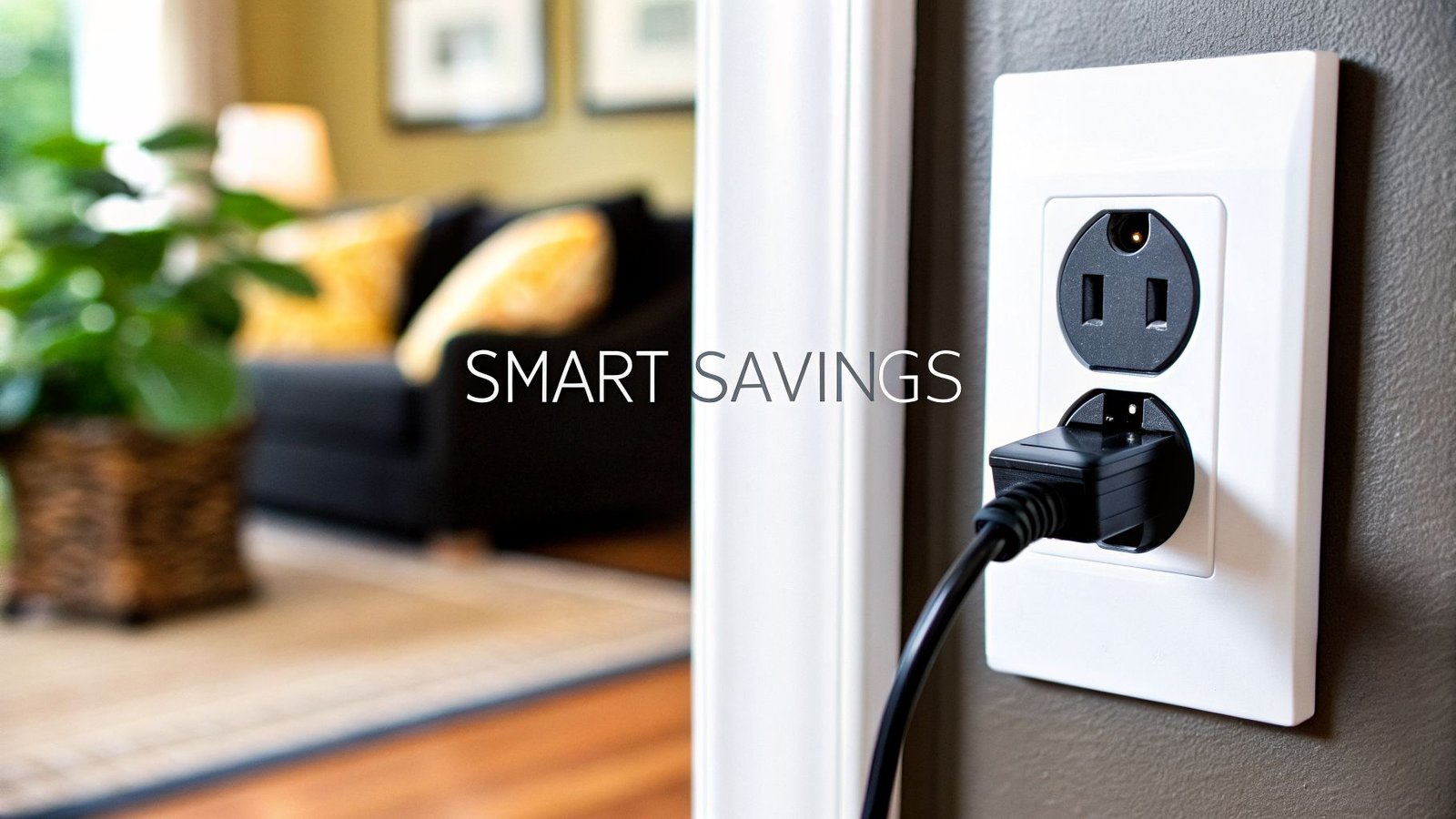
- Smart Plugs: These handy gadgets hunt down and eliminate "vampire drain" by cutting power to electronics that quietly sip energy even when they're turned off.
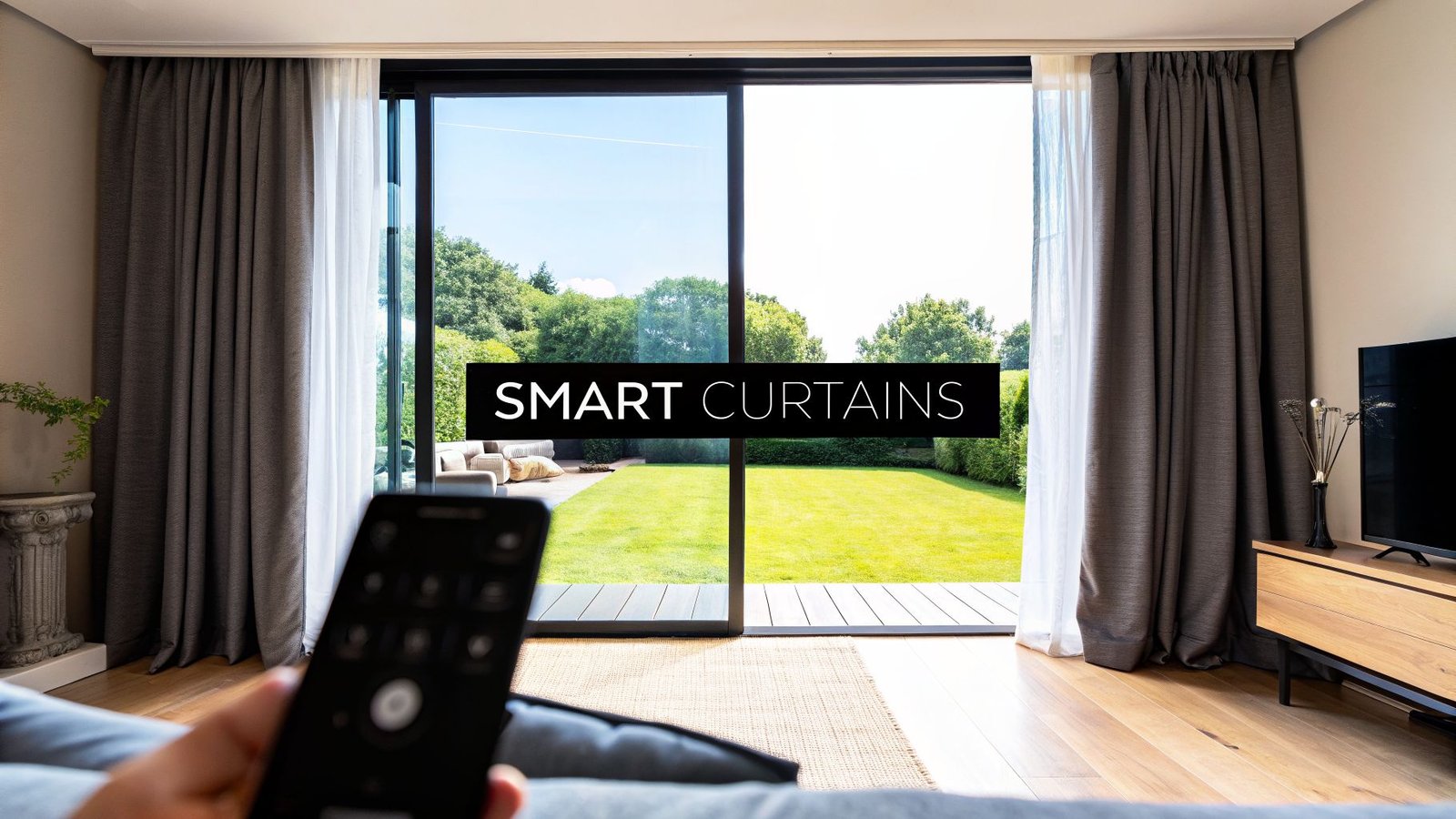
- Automated Blinds: In the summer, they can be set to close during the hottest part of the day, giving your air conditioner a much-needed break.
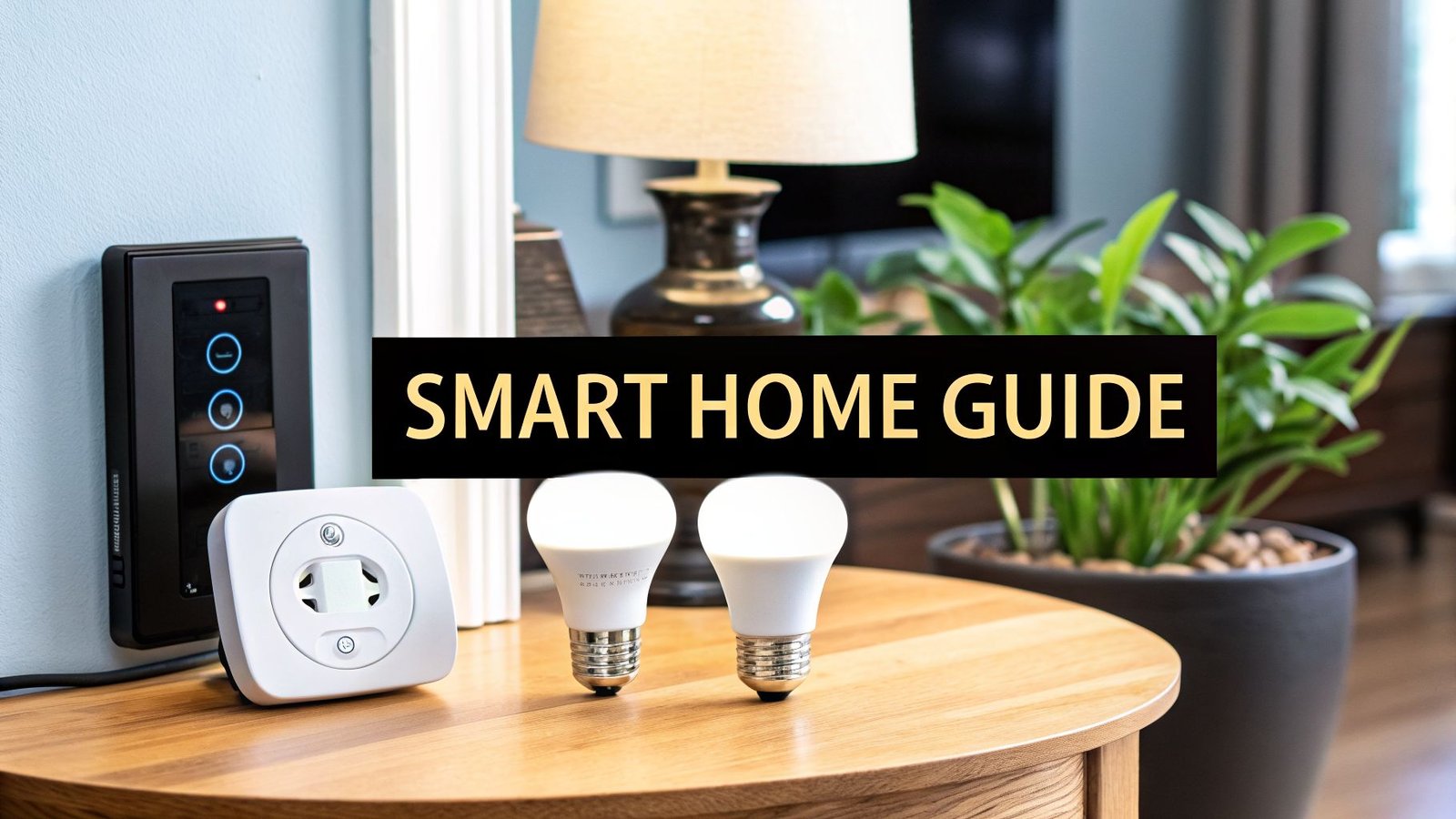
- Smart Lighting: With motion sensors, lights are never accidentally left on in an empty room. They can also dim automatically based on the time of day to save even more power.
Individually, these are small tweaks. But together, they add up to real, substantial savings over the course of a year.
Simplifying Life with Seamless Convenience
Let's be honest: the sheer convenience is what gets most people excited about smarthouses, and for good reason. Automating all those small, repetitive daily tasks frees up your time and, more importantly, your mental energy. The magic behind this is creating "scenes" or "routines"—pre-set chains of events that you can trigger with a single voice command or tap of a button.
Take a "Good Morning" routine, for instance. Your alarm goes off, and a whole sequence kicks into gear:
- The smart blinds in your bedroom gracefully open to let in the morning sun.
- Your smart speaker starts playing your favorite podcast or a curated morning playlist.
- The smart plug in the kitchen flips on, and the coffee starts brewing.
- The thermostat nudges the temperature up to a comfortable level for the day.
All of that happens without you doing a thing, making for a much smoother and more pleasant start. In the same way, a simple "Goodbye" command as you walk out the door can lock up, kill the lights, and set back the thermostat. This is what it's all about—automating life's little chores so you can focus on what actually matters.
Popular Smarthouse Ideas and Applications
The theory behind a smarthouse is interesting, but the real magic happens when you see it in action. This is where individual gadgets stop being novelties and start working together to make life easier, safer, and more efficient. These aren't far-off concepts; they are practical, real-world setups that people rely on every single day.
Let's break down some of the most common ways a smarthouse can completely change how you live in your home.

Proactive Security and Monitoring
Smart security is less about a blaring alarm and more about creating an active, intelligent defense system. Think of it as a network of devices that can see, react, and alert you in real-time, offering genuine peace of mind whether you're upstairs or across the country.
A great starting point is the video doorbell. It’s so much more than a simple camera. Modern doorbells use AI to tell the difference between a person, a package delivery, or a car driving by. If it spots someone lingering too long, it can instantly trigger your smart floodlights to snap on, making it clear they've been seen. At the same moment, you get a detailed notification on your phone with a live video feed.
This network extends to safety inside the home, too. A Wi-Fi smoke detector is a perfect example. Instead of just making a noise, it sends an immediate alert to your phone if there's a problem, turning a passive alarm into a life-saving communication tool.
Smart Climate and Energy Management
One of the biggest draws of a smarthouse is its potential to seriously cut down on your energy bills. By letting your home manage its own climate and power usage, you can eliminate waste without ever feeling a drop in comfort.
Here’s how it typically plays out:
- Your smart thermostat learns your routine and automatically dials down the heat after you leave for work at 8 AM.
- It then brings the temperature back up to your favorite setting about 30 minutes before you usually get home.
- At the same time, smart plugs connected to your entertainment center or office setup can completely cut power during the day, eliminating that sneaky "vampire drain" from devices on standby.
These small, coordinated adjustments add up fast. Many homeowners see energy savings of up to 15%, and the added security benefits can help deter intrusions.
Dynamic Ambiance and Lighting
Smart lighting is about so much more than just turning bulbs on and off with your voice. It's about crafting the perfect atmosphere for any moment, whether you're trying to focus on work or settle in for a movie.
Picture this: you're ready to watch a film, and you say, "Hey Google, it's movie time." Instantly, a pre-programmed scene kicks in. The main overhead lights dim to a soft 10%, while the color-changing LED strips behind your TV cast a gentle blue glow. Some setups can even sync the light colors with the action on the screen for a truly immersive experience.
This is what "painting with light" really means—transforming the entire feel of a room with a single command.
Automated Entertainment and Chores
Finally, a smarthouse can take over the boring, repetitive tasks that eat up your time and mental energy. This is where automation starts to feel like having a personal assistant.
Think about the daily cleanup. You can schedule a robot vacuum to do its thing every day right after you head out, so you always return to spotless floors. If you have pets, an automated feeder can dispense their meals at the exact right times, so they're cared for even if you get stuck in traffic.
A smarthouse shines when it automates the little things. By handling routine chores and creating perfect environments on command, it gives you back your most valuable resource: time.
These examples show that a smarthouse isn't about collecting gadgets. It's about using smart, connected technology to solve real human problems and make our homes better places to live.
Balancing Your Budget and Your Privacy
Getting started with a smarthouse is a fantastic journey, but let's be real about two things everyone needs to think about: how much it's going to cost and how to keep your personal information safe. Nailing these two aspects from the start means you'll end up with a smart home that's not just cool and helpful, but also secure and within your budget.
So, let's have an honest chat about what it takes to build a smarthouse, starting with the price tag. The cost can swing wildly—from less than a hundred bucks for a couple of smart plugs to many thousands for a custom, professionally installed system that runs your entire house. What you end up spending really comes down to your ambition, the gear you pick, and whether you roll up your sleeves or call in the pros.
What Does a Smarthouse Actually Cost?
The price of a smarthouse isn't just one number. It’s a mix of what you pay for the devices upfront, any fees for installation, and sometimes, monthly subscriptions for things like cloud video storage or advanced software features.
The biggest choice you'll make is whether to go the Do-It-Yourself (DIY) route or hire a professional installer.
- The DIY Approach: This is your best bet for flexibility and keeping initial costs down. You can start small—maybe with a smart speaker and a few light bulbs—and then add more devices as you go. Your main investment here is your own time for learning and setting things up.
- Professional Installation: If you want a perfectly integrated system right out of the box without the headache, hiring a pro is the way to go. It costs more, for sure, but you're paying for expert design, a flawless setup, and someone to call when you need help.
The great thing about today’s smarthouse tech is that you don't have to do it all at once. Start by solving a single problem you have, like adding a video doorbell for package deliveries. You can always build out from there.
Protecting Your Digital Front Door
Once you start connecting more of your home to the internet, your digital security becomes every bit as important as the locks on your doors. Every smart device is another potential way in for someone you don't want on your network. The good news? Locking down your smarthouse is actually pretty straightforward.
Think of your Wi-Fi network as the main entrance to your digital life. If that door is unlocked, everything connected to it is at risk. Your first and most critical step is to secure that network properly. You can learn exactly how to protect your Wi-Fi network from hackers in our detailed guide.
Beyond securing your network, here are a few simple habits that make a huge difference:
- Use Strong, Unique Passwords: Don't use "Password123" for anything! Every device and app needs its own tough-to-guess password. A password manager is your best friend here.
- Turn On Two-Factor Authentication (2FA): This adds a powerful second line of defense. Even if a hacker steals your password, they can't get in without the code sent to your phone.
- Check Device Permissions: When setting up a new gadget, be nosy about the permissions it asks for. Does that smart plug really need access to your microphone? Probably not. Only grant what's absolutely necessary.
- Keep Your Firmware Updated: Device makers constantly release software updates to fix security flaws. Turn on automatic updates or make a point to install them as soon as you see them. It’s one of the easiest ways to stay protected.
Security technology is also getting smarter. The market for AI-powered security cameras, for instance, is projected to grow at a compound annual growth rate of 18.32%. This boom shows a clear industry push toward using intelligent tech to spot and stop threats before they become a problem. You can dig deeper into these smart home automation market trends to see where things are headed. By staying aware and taking a few proactive steps, you can enjoy all the perks of a connected home with total peace of mind.
Your First Steps into Home Automation
Diving into home automation can feel a bit overwhelming, but you don't need to be a tech wizard to get started. The secret isn't to wire up your entire house overnight. Instead, the best approach is to find one small, everyday annoyance and solve it with a single smart device. This turns a massive project into a series of small, satisfying wins.

We'll walk you through a simple four-step process that will take you from curious to confident. Follow these steps, and your first foray into smart tech will be a huge success.
Step 1: Start with a Single Problem
Before you even think about buying a gadget, take a moment to think about your daily routine. What’s one little thing that drives you crazy?
- Tired of fumbling for your keys in the dark? Your problem is inconvenient entry.
- Worried about packages disappearing from your porch? You have a security issue.
- Always forgetting to turn off the basement lights? Your issue is energy waste.
By zeroing in on one specific pain point, you give yourself a clear goal. It keeps you focused, preventing you from getting lost in a sea of cool-but-unnecessary gadgets. This way, your first purchase will be something you actually use.
Step 2: Pick Your "Team"
Next up, you'll need to decide on an ecosystem. Think of this as the central command for your smarthouse, the platform that gets all your different devices talking to each other. The big three are Amazon Alexa, Google Home, and Apple HomeKit.
Don't sweat this decision too much. Chances are, you’re already on a team. If you ask Alexa to play music or use a Google Nest Hub to look up recipes, just stick with that. It’ll make the whole setup process a lot more intuitive. Our guide on setting up a smart home can help you weigh the options if you're starting from scratch.
Step 3: Buy One High-Impact Device
Now for the fun part. It’s time to connect the problem from Step 1 with the ecosystem you chose in Step 2. If your goal was to feel safer, a video doorbell compatible with your platform is a fantastic first buy. If you just wanted to stop getting up to turn off the lights, a starter kit with a few smart bulbs is perfect.
Building a smarthouse is a journey, not a sprint. Your goal with this first device is simply to get a win. Experience the satisfaction of solving a real problem with a smart solution.
Getting your hands on these devices has never been easier. With global e-commerce projected to make up 62.52% of all smart home sales by 2025, you have a world of options just a click away. You can explore more about the booming smart home automation market to see just how accessible this technology has become.
Step 4: Learn, Expand, and Automate
Once you have your first device installed and running, play around with it! Get comfortable with the app and try setting up a simple routine or automation.
Maybe you set your new smart plug to turn on a lamp at sunset. From there, you can start thinking about what comes next. A smart lock to go with your video doorbell? A motion sensor to trigger your smart lights? That's how a true smarthouse is built—organically, one clever solution at a time.
Got Questions? We've Got Answers.
As you start picturing what a smart home could look like for you, a few questions always pop up. It's only natural. Here are some straightforward answers to the things people wonder about most when they're just getting started.
Do All These Smart Devices Actually Work Together?
Not always, but this is getting so much better. For a long time, the smart home world was a bit like the Wild West, with devices locked into specific ecosystems like Amazon Alexa, Google Home, or Apple HomeKit. You had to be a label-checker, always looking for that "Works with…" badge to make sure your new gadget could talk to your existing setup.
Thankfully, that's changing fast. A new industry standard called Matter is rolling out, and its whole job is to be a universal language for smart devices. The goal is to let gadgets from completely different brands communicate directly, making it way easier to build a smart home that just works, without all the compatibility headaches.
Think of Matter as a universal translator for your smart devices. It ensures that a smart lock from one brand can speak directly to a light switch from another, creating a more unified and user-friendly experience for everyone.
What Happens if My Internet Goes Out? Am I Locked Out?
Nope, your home doesn't just shut down. Many of the most important automations run locally, meaning the command never has to leave your house to work. For instance, your motion sensor in the hallway turning on the hall light? That will almost certainly keep working just fine.
What you do lose are the features that rely on the cloud. This means things like:
- Voice commands to your smart speakers.
- Controlling your home from your phone when you're not there.
- Getting notifications and alerts pushed to your devices.
So, the basic, in-house functions will keep chugging along. You just lose the remote control and advanced features until your connection comes back online.
Is This Whole “Smarthouse” Thing Just a Fad?
All the evidence points to this being a permanent shift, not just a passing trend. Smart home tech is quickly becoming a core part of what makes a modern home, well, modern. The market is growing like crazy, and the biggest names in tech are pouring billions into making these products better, cheaper, and more useful.
More importantly, this stuff solves real problems. It helps people save money on their energy bills, feel safer, and gives a huge boost in independence to those with mobility challenges. As the technology gets more affordable and easier to use, having a smart home is on track to become just as standard as having Wi-Fi.
Ready to take the next step in creating a more responsive and efficient home? At Automated Home Guide, we live and breathe this stuff. We offer expert reviews, practical how-to guides, and the latest news to help you build the smarthouse that’s right for you. Explore all our resources today at https://automatedhomeguide.com.

Leave a Reply